Locked out at home? House lockout Rockville explained
 A1 Super Locksmith Services
What non-destructive entry looks like on a house lockout Rockville
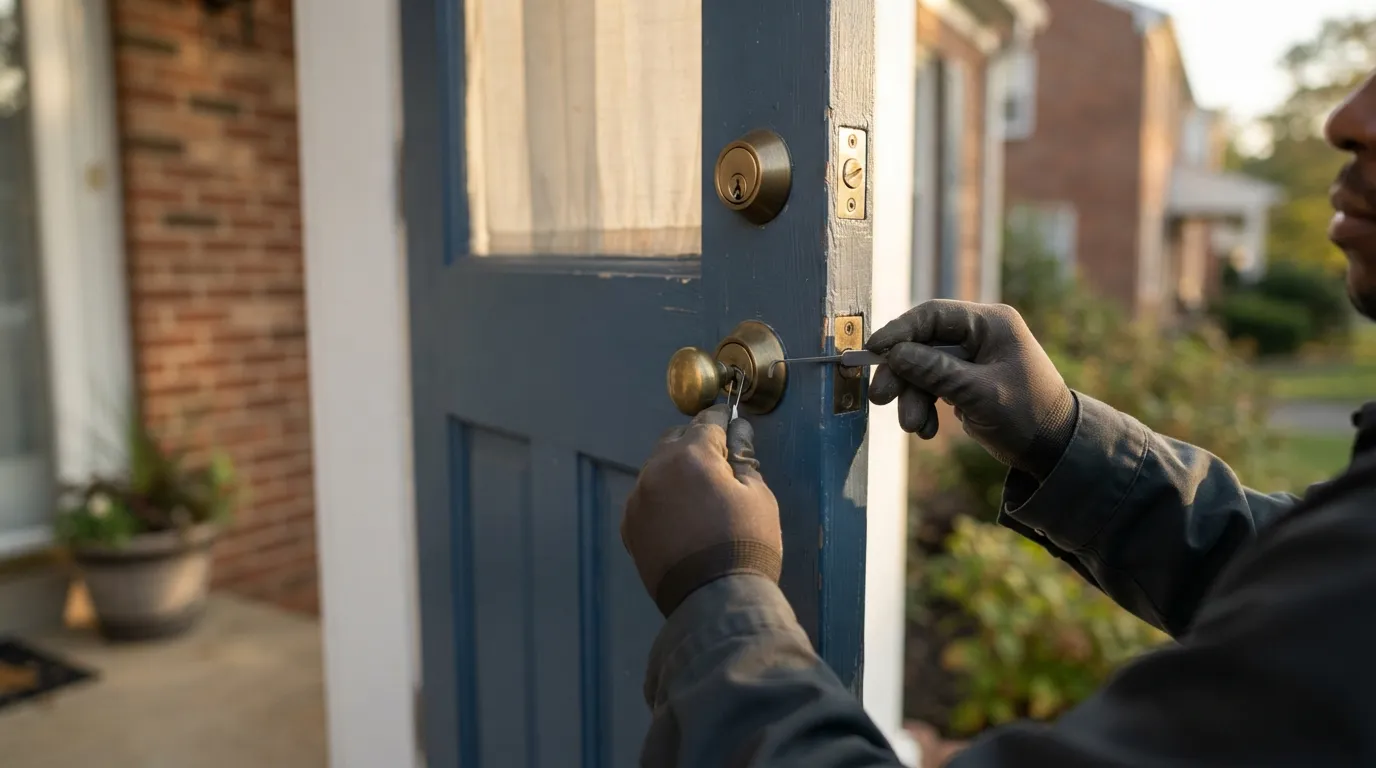
When you call us about a house lockout Rockville, the first thing we think about is keeping the door and the lock intact. Non-destructive entry means we use tools and techniques that open the lock without drilling, cutting the cylinder, or splitting the door edge. That keeps the repair you might have to pay for later to a minimum and preserves the original hardware on older or custom doors.
Non-destructive work begins with a quick assessment at the door. We check which type of lock is fitted — a surface-mounted deadbolt, a mortise lock, a rim cylinder, a bored cylinder in a standard latch, or a keyed multipoint — and how the door sits in its frame. The way a lock is mounted and how the door lines up informs which safe methods are available and which are likely to fail. A little trimming of expectations at the start saves wasted time and prevents unnecessary force.
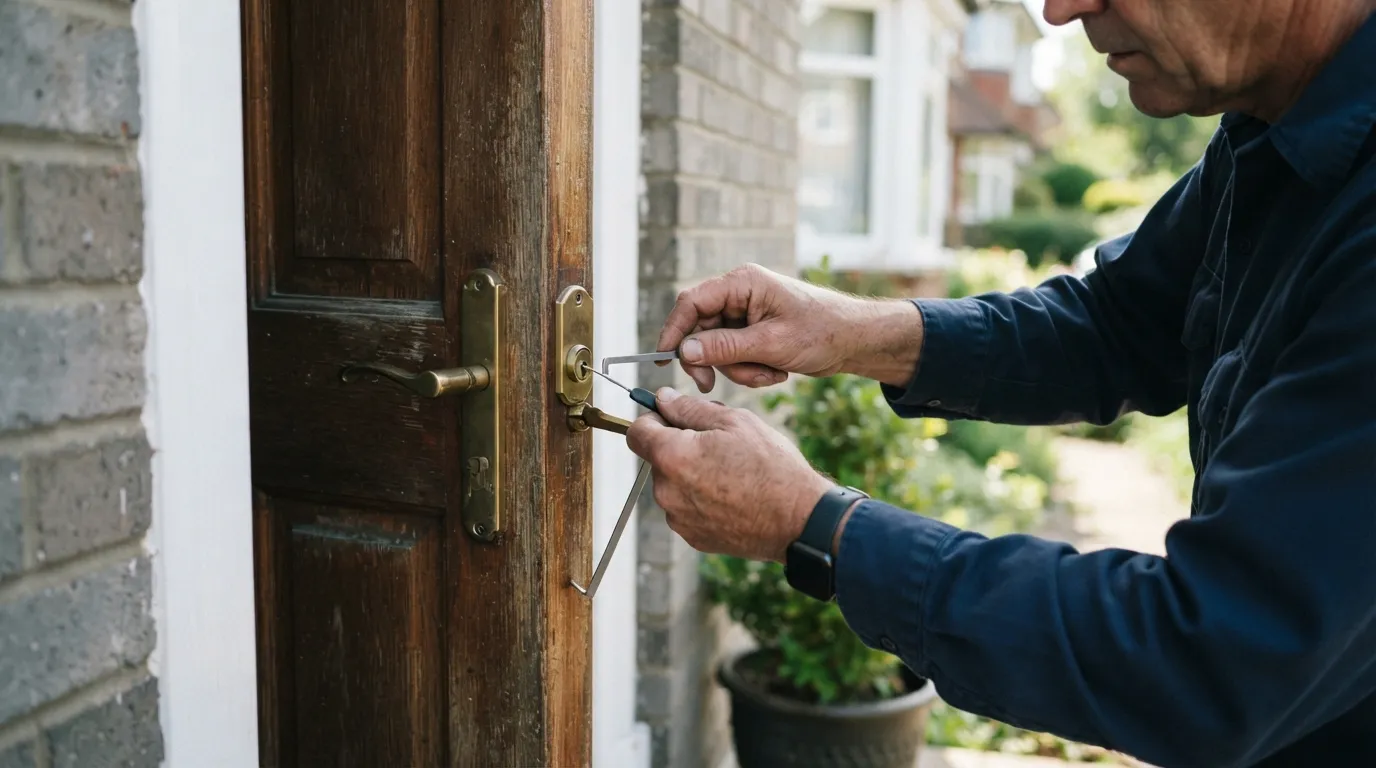
Picking is the obvious example of a non-destructive method. It uses hand tools to manipulate the internal parts of a pin-and-tumbler cylinder so they align and the plug turns. Picking works on many residential cylinders when the keyway is accessible and the lock is in good condition. Decoding and impressioning are close cousins: decoding reads the lock’s internal pattern so a temporary key can be made; impressioning creates a working key by taking a soft marking of the lock as a blank is turned. Both try to avoid any permanent alteration to the cylinder.
For some latch-style locks you can use toolless methods that gently retract the latch from the strike plate. Wedges and long-reach tools are used to create a gap for an instrument to operate the thumbturn or pull back the latch from inside. These techniques demand the right gap around the door and a careful hand; forcing the gap wider or levering on trim will cause the very damage you are trying to avoid.
When a lock has a glass panel nearby or a thin frame, bypass techniques can be used: removing the glazing bead or inserting a tool through a gap to manipulate the internal mechanism. These approaches are selective and rely on the specific build of the door and frame. They are not universal and can be slower than drilling, but they keep your hardware whole.
You should know three practical things about non-destructive entry before someone arrives. First, some locks are straightforward to open without damage and some are not — the assessment at the door decides that. Second, access matters: the wider the gap between door and frame and the less restricted the entry area, the more options the locksmith has. Third, patience beats force; rapid attempts with the wrong tool are the most common cause of damage in DIY attempts.
When you describe the situation to us, tell us what the lock looks like, whether a key is stuck, if a deadbolt is operated by a thumbturn from the inside, and whether there are nearby windows. Photos are helpful. That allows us to explain the non-destructive options we expect to try and the order we will try them in before we arrive.
If you decide to wait and attempt a self-entry, keep in mind common mistakes that make the problem worse: levering the door against the frame, forcing a stuck deadbolt, or using improvised tools that break off inside the cylinder. Those outcomes often turn a simple opening into a repair or replacement job.
A successful non-destructive entry ends with you walking through a door that looks the same as it did before the lockout. When we cannot get the lock open that way, we move to controlled destructive methods as a last resort — and we only discuss that step after you understand why the other options are unsuitable.
When drilling becomes the only option
Drilling the cylinder or the lock body is a controlled but permanent measure. We consider it only when non-destructive methods have been tried and are either blocked by the lock’s construction or likely to cause even more damage if continued. Drilling is thus the last practical choice, not the first.
There are a handful of situations where drilling is commonly unavoidable. Highly damaged cylinders with broken key fragments inside often cannot be decoded or picked without removing the obstruction first. Some high-security cylinders include anti-pick features that defeat traditional non-destructive tools; in those cases drilling the core is the practical way to gain entry. Locks that are badly corroded or whose internal parts have fused through rust will not respond to picking and may only open once the obstruction is removed mechanically.
A further case is when the door’s construction prevents access for manipulation: a very narrow gap, an internal bolt that cannot be reached even with long tools, or a lock whose mechanism sits well back in the door leaf. If the only practical access route would involve dismantling surrounding trim or splitting the door, drilling the cylinder may be the lesser-evil option.
When drilling is needed, we talk through the consequences and what follows. Drilling the cylinder destroys the lock’s internal mechanism and means the cylinder needs replacing before the door is left secure again. We explain the type of replacement you will need so you are not left guessing afterward. Where possible we aim to drill the cylinder only, leaving the rest of the hardware intact; in other cases drilling the lock body or the bolt mechanism is the route in.
Controlled drilling requires the right bits and a careful hand. Drilling blind or with the wrong bit risks metal shavings jamming the bolt or damaging the strike plate. We center the drill, work at slow speed, and clear debris as we go so the rest of the door hardware is not contaminated. That reduces follow-on repair work.
You can reduce the chance drilling is needed by keeping your locks in good order: lubricate cylinders sparingly with a graphite or PTFE product, avoid forcing keys, and have corroded or stiff locks looked at before they fail completely. Before you call, tell us whether a key broke in the lock, whether the bolt is smooth or gritty when it moves, and whether the door or frame show signs of previous forced entry. Those details shape the likely approach we will describe when we answer your call.
How locksmith pricing works and how to get a quote
Pricing for a house lockout is driven by a small set of practical factors rather than a mysterious flat number. What decides the price and how long the job takes are the size of the job at hand, how easy the lock is to reach, the condition of the lock and door, whether a non-destructive method will work, and what follow-up parts or replacements are required.
When you call, give a clear picture of the situation: what type of door and lock you have, whether a key is present or broken, whether a deadbolt is involved, and whether access is restricted by railings, narrow landings, or a parking situation. Many locksmiths use that information to give an initial quote band or a minimum fee so you know whether to proceed. Ask for the price before any work starts and ask what will change the price — for example, if the work requires drilling or a new cylinder.
Expect the on-site quote to split the job into an access component and a materials component. The access component covers travel time and the work to open the door; the materials component covers any cylinders, keys, or trim parts that must be replaced. If a non-destructive entry succeeds, the materials cost may be zero. If the lock must be drilled and replaced, the cost rises because a new cylinder or lock set is needed.
If you have a particular budget or need the job finished on a timetable, say so when you call. We will explain which options meet that constraint: a temporary thumbturn fitted on the inside might get you back in quickly while a permanent replacement is scheduled, or a full cylinder swap might be the most sensible route if security is a priority.
A written or verbal quote before work starts is important. It should list what is included, what is optional, and what will cause an additional charge. If the locksmith proposes a staged approach — try non-destructive first, then drill if that fails — ask for the price difference between the stages so you can make an informed decision on site.
Photos taken before the locksmith arrives help produce a more accurate quote. A clear image of the lock, the edge of the door where the strike sits, and any nearby obstruction tells us what tools to bring and whether the job will be straightforward.
Finally, plan for access proof. Be ready to show ID and to confirm you are entitled to request entry. That speeds the job and avoids delays while ownership or tenancy details are checked. Gather proof of residence or tenancy and have it to hand when you speak to the locksmith.
24/7 emergency response for a house lockout Rockville callers
A lockout does not keep office hours. We treat urgent lockouts as different from scheduled locksmith work because the priority is getting you safely back inside while managing risk to your property. When you call with an emergency, tell us whether anyone is locked inside, whether there are children or pets involved, and whether there is an immediate safety risk.
For an emergency job we focus on the fastest safe method that avoids damaging the door. That usually means trying the non-destructive options first and only moving to drilling when those have been exhausted or are not suitable. We explain the likely first steps while we are en route so you can prepare and know what to expect.
At the door, a rapid assessment decides whether we can use a wedge and a reach tool, pick the cylinder, or need to remove hardware trim gently to get a better angle. If access is limited by stairs, narrow corridors, or an awkward parking spot, those conditions inform the choice of tool and therefore the time the job will take. Communicate the access constraints when you call so the technician brings the right kit.
When time is the overriding concern we discuss temporary solutions as well as permanent ones. A temporary internal thumbturn, for example, can restore access immediately while you decide on a long-term replacement lock. We explain the trade-offs so you can choose the option that balances speed, cost, and security.
If you can, prepare a clear space around the door and place any ID and proof of address close to hand. That removes delays and lets us begin without interruption. Tell us about any special instructions for the property — for instance, a gate code or guarded entry — before the technician arrives so we do not lose time on arrival.
Where we cover lockouts across Montgomery County
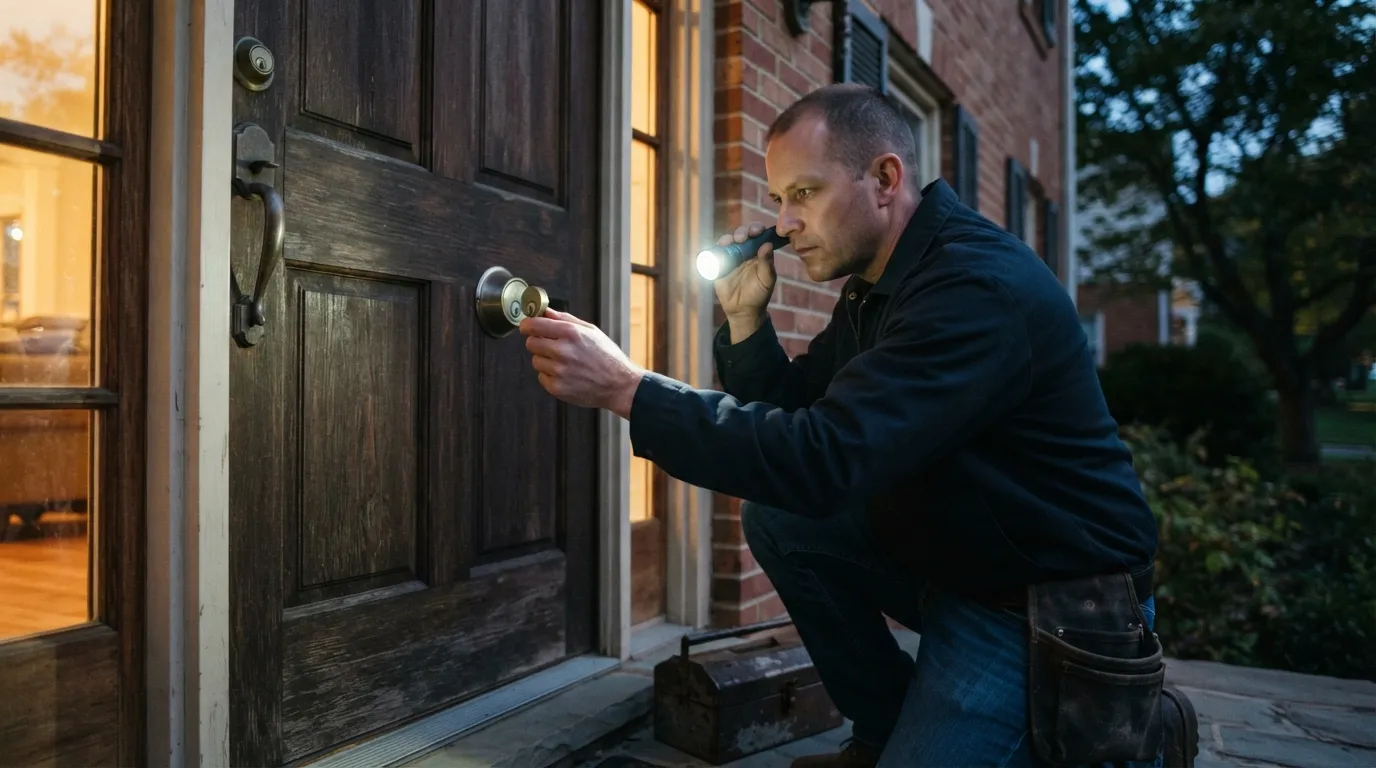
We respond to house lockouts across Rockville and towns across Montgomery County, MD. That includes nearby communities and the suburban neighborhoods people call home in this part of the county. When you call, say which town and which street you are on so we can confirm the expected arrival options and any access details.
Different areas present different access challenges. Older downtown streets may have narrow parking and required permits; garden-style apartments can hide locks behind metal grilles; newer subdivisions can have wider driveways and easier vehicle access. Those conditions change how we approach the job and which tools we prioritise on the van.
Before you call, have a clear photo of the lock and a short description of the immediate surroundings: is the front door off a stairwell, behind a security gate, or on ground level with direct driveway access? That helps us decide whether to bring ladders, long-reach tools, or a compact kit for a tight landing. Also note whether entry requires passing a concierge or reception so we can advise you how to handle permission checks.
Wherever you are in the county, be ready with ID and proof of address to speed the visit. If you live in a rental, include the landlord’s name or the property manager’s contact in your message; if you have a spare key held with a neighbour, say so — sometimes the fastest route is a short detour rather than an on-the-spot opening.
To get help, call or message with your address and a clear photo of the lock. Tell us the lock type, whether a key is broken or missing, and any immediate safety concerns. That lets us explain the likely approach and the non-destructive options before we get there, so you can decide whether to proceed when we arrive.
Frequently asked questions
How much does a locksmith cost for a house lockout?
Costs vary with how hard the lock is to reach, the condition of the lock and door, whether non-destructive entry will work and whether parts or a replacement are required; ask for a quote before work begins.
Who should I call if I’m locked out of my house?
Call a local mobile locksmith and give clear details: your address, the type of lock, whether a key is broken or present, and any access limitations so they can explain likely approaches before arriving.
I locked myself out of my house. Can I get back in for free?
Getting in for free is rarely realistic unless you have a spare available nearby; avoid forcing the lock or door, and check whether a neighbour, landlord or building manager can provide a spare before calling a locksmith.
What should I have ready when the locksmith arrives?
Have photo ID and proof of residence or tenancy ready, a clear photo of the lock if possible, and a brief description of any access issues like gates or narrow landings so the locksmith can start work without delays.